

Multi-Material Precision Cutting Universal Saw Machine: Engineering, Performance, and Industrial Value
In modern industrial and workshop environments, the demand for versatile cutting solutions has grown significantly. Manufacturers and fabricators require equipment capable of processing multiple materials—such as wood, metal, plastic, and composites—without sacrificing precision or productivity. Traditional single-purpose saws often limit operational flexibility, increase production time, and require multiple machines for diverse materials.
The Multi-Material Precision Cutting Universal Saw Machine addresses these challenges by offering a single platform capable of accurate and repeatable cuts across various material types. Its adaptability makes it an essential asset for industries including furniture production, metal fabrication, construction, and industrial maintenance. As production schedules tighten and cost pressures rise, industrial facilities increasingly seek reliable, multifunctional cutting machinery that reduces setup time and labor costs while maintaining safety and quality standards.
At its core, a universal saw machine integrates several critical technologies to achieve multi-material precision cutting:
The machine is designed to accommodate different blade types for specific materials, ensuring optimal cutting performance. For example, tungsten carbide blades for metal, high-speed steel for wood, and specialized composite blades reduce material wear and heat accumulation.
Precision cutting requires flexibility. The universal saw allows operators to modify cutting angles, blade heights, and feed speeds to accommodate both straight and angled cuts with minimal material wastage.
A robust motor ensures consistent blade rotation, minimizing vibration and delivering uniform cuts. Variable speed control allows operators to adapt the machine to the hardness and thickness of different materials.
Modern universal saws include automatic blade guards, emergency stop buttons, overload protection, and limit switches to maintain operator safety while optimizing workflow efficiency.
These technologies collectively enable precise and consistent cutting across multiple materials, reducing downtime and enhancing production reliability.
A high-quality universal saw machine is the result of careful engineering across multiple domains:
The frame is usually constructed from high-strength steel, designed to withstand torsional forces and vibrations that occur during high-speed cutting. Powder-coated or anodized surfaces enhance corrosion resistance, extending operational life.
The blade mount assembly is precision-machined to maintain alignment and reduce runout. Bearings and hardened guide rails ensure smooth motion while minimizing maintenance requirements.
Industrial universal saws feature high-efficiency motors paired with gearboxes or belt drives optimized for torque and speed. The system allows for continuous operation with minimal heat generation, critical when cutting metals or dense composites.
PLC or microcontroller-based control panels provide adjustable speed, feed rates, and safety interlocks. Electrical components are enclosed to protect against dust, moisture, and mechanical impact, enhancing reliability in workshop environments.
Critical components are made from heat-treated alloys, hardened steel, or engineered polymers where appropriate. CNC machining, robotic welding, and precision assembly techniques ensure dimensional accuracy and consistent quality. Non-destructive testing (NDT) is often employed on load-bearing parts to verify structural integrity.
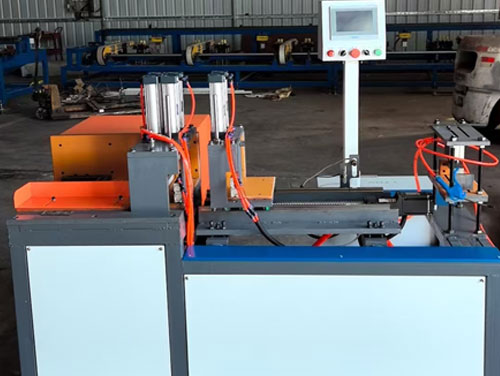
Several factors directly affect the performance and lifespan of a universal saw machine:
Incorrect blade selection or poor-quality materials can reduce cutting accuracy and accelerate wear. Operators must match blades to material type and thickness.
Even minor frame flexing or vibrations can compromise cut precision. Reinforced frames, anti-vibration mounts, and proper anchoring are essential.
Torque consistency, belt tension, and gear alignment affect cutting smoothness and reduce the risk of material burn or deformation.
Regular inspection of bearings, guide rails, and drive components ensures consistent performance and prevents unexpected downtime.
Proper training ensures the machine is used within its operational limits, with attention to safety, material handling, and precision cutting techniques.
High-quality design combined with diligent maintenance guarantees long-term accuracy and reliability.
For B2B buyers, selecting the right supplier is critical:
Engineering Expertise: Suppliers should demonstrate proficiency in mechanical design, electrical integration, and multi-material cutting processes.
Compliance: Machines should meet CE, UL, or ISO safety and quality standards.
Material Traceability: Documentation for steel, alloys, and electrical components ensures consistency and accountability.
Quality Control: Suppliers employing CNC machining, robotic welding, and NDT testing provide higher assurance of precision and durability.
After-Sales Support: Availability of spare parts, training, and technical guidance is essential to reduce downtime.
Case Experience: Suppliers with prior installations in similar industries are better positioned to recommend the optimal machine configuration.
These standards help guarantee equipment performance, safety, and long-term reliability.
Even with advanced machinery, several operational challenges exist:
Material Variability: Differences in hardness, thickness, or composition require frequent blade adjustments.
Operator Error: Improper feeding techniques or exceeding load limits can cause uneven cuts and damage blades.
Maintenance Neglect: Lack of routine inspection accelerates wear on drive and guide components.
Safety Risks: High-speed blades create inherent hazards, especially if guards or interlocks are bypassed.
Downtime from Blade Replacement: Switching blades for different materials can interrupt workflow if not managed efficiently.
Manufacturers address these pain points with ergonomic design, automated adjustments, and enhanced safety systems.
The universal saw machine is used in diverse industrial contexts:
Furniture Manufacturing: Cutting wooden panels and composite laminates to precise dimensions.
Metal Fabrication: Processing aluminum, steel, and non-ferrous metals for structural components.
Construction: Cutting beams, pipes, and panels for on-site assembly.
Maintenance and Repair Workshops: Versatile material handling reduces the need for multiple single-purpose saws.
Signage and Display Manufacturing: Precise cutting of acrylics, PVC, and composite panels for professional-quality results.
Case studies indicate that integrating a multi-material universal saw into production lines reduces setup time, consolidates equipment needs, and improves overall throughput by up to 30%.
Several trends are shaping the evolution of universal saw machines:
Automation and Smart Controls: PLC-based systems and digital interfaces allow real-time monitoring of speed, feed, and cutting accuracy.
Lightweight, High-Strength Materials: Use of advanced alloys and composites for frames and mounts reduces weight without compromising rigidity.
Energy Efficiency: Motors with optimized efficiency and regenerative braking systems lower operational energy costs.
Modular Design: Quick-change blade systems and adjustable platforms allow rapid adaptation to varied materials and thicknesses.
Enhanced Safety Integration: Sensors, automatic guards, and overload detection improve operator safety and regulatory compliance.
These advancements will continue to improve productivity, reduce costs, and expand the versatility of universal saw machines in industrial applications.
Q1: Can this saw handle both metals and wood without changing the machine?
Yes, with the correct blade selection and motor speed adjustment, the universal saw can process multiple materials efficiently.
Q2: How often should the machine undergo maintenance?
Critical components, including bearings, guide rails, and blade mounts, should be inspected daily or weekly depending on usage intensity. Lubrication schedules should follow manufacturer guidelines.
Q3: Is operator training required?
Proper training is essential for safe and precise operation, including blade selection, feeding techniques, and emergency procedures.
Q4: What is the typical lifespan of a universal saw machine?
With proper maintenance and high-quality materials, the machine can last 10–15 years in industrial environments.
This website uses cookies to ensure you get the best experience on our website.
 ไทย
ไทย हिन्दी
 Tiếng Việt
 বাংলা
বাংলা



 Phone: