

Best Practices for Operating an Industrial sawing machine Safely
Industrial sawing machines are essential tools in manufacturing, woodworking, metal fabrication, and construction industries. While these machines greatly increase productivity and precision, improper use can lead to accidents, equipment damage, and decreased efficiency. Understanding best practices for operating an industrial sawing machine safely is critical for ensuring workplace safety, protecting equipment, and maintaining consistent production quality. This guide provides a comprehensive overview of applications, performance features, packaging considerations, and operational best practices, making it suitable for both new operators and experienced factory managers.
Industrial sawing machines are versatile and used across multiple industries:
| Industry | Application |
|---|---|
| Woodworking | Cutting timber, plywood, and furniture components |
| Metal Fabrication | Cutting steel, aluminum, and composite metal sheets |
| Construction | Cutting building materials such as beams, pipes, and panels |
| Automotive | Fabrication of metal parts and chassis components |
| Aerospace | Precision cutting of lightweight metal alloys |
| Electronics Manufacturing | Cutting aluminum and metal enclosures |
Case Study Example:
A furniture manufacturing plant implemented CNC-controlled industrial sawing machines to cut wooden panels with high precision. After adopting safety protocols such as emergency stop checks, blade guards, and operator PPE, the factory reduced accidents by 70% while increasing daily output by 30%.
Industrial sawing machines come equipped with advanced features that enhance productivity and ensure precise cutting:
| Feature | Description | Benefit |
|---|---|---|
| CNC Control | Programmable cutting paths | Reduces human error and ensures repeatable precision |
| Automated Feeding | Material is automatically fed to the blade | Improves efficiency and reduces operator fatigue |
| Adjustable Speed & Force | Blade speed and cutting force are customizable | Optimizes cutting for different materials |
| High-Precision Blades | Specialized blades for wood, metal, or composite | Ensures smooth, accurate cuts |
| Safety Sensors | Detect misalignment or operator interference | Prevents accidents and protects operators |
| Robust Frame | Industrial-grade steel construction | Reduces vibration and increases durability |
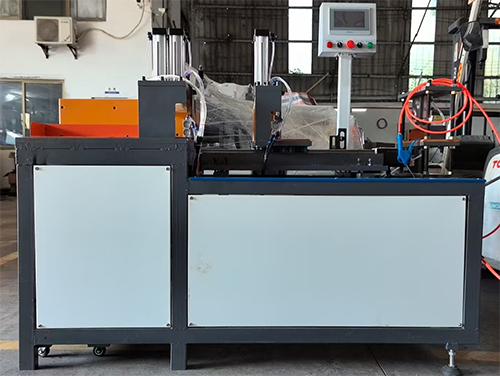
Industrial sawing machines are designed to perform several key functions efficiently:
Material Cutting:
Cuts wood, metal, and composite materials with high accuracy.
Precision Shaping:
Allows for angled cuts, bevels, and intricate designs depending on machine configuration.
Automated Operation:
Integrates CNC and PLC systems for programmable cutting cycles.
Safety and Protection:
Equipped with blade guards, emergency stop buttons, and sensor-based interlocks.
Productivity Enhancement:
Reduces manual labor and minimizes material waste through automated feeding and precision control.
Proper packaging and transportation of industrial sawing machines are critical for safety and long-term operation.
| Component | Packaging Method | Purpose |
|---|---|---|
| Machine Frame | Wooden crate with foam padding | Protects against shocks and vibration |
| Blades | Separate protective compartment | Prevents blade damage during transit |
| CNC Control Panel | Anti-static packaging | Protects electronics from damage and dust |
| Accessories | Labeled boxes | Keeps parts organized and prevents loss |
| Instruction Manuals & Certificates | Waterproof envelope | Ensures documentation is intact and accessible |
Transportation Tips:
Use forklifts or cranes to load/unload machines safely.
Ensure the machine is secured to prevent movement during transit.
Avoid exposure to moisture or extreme temperatures during shipment.
Operating an industrial sawing machine safely requires attention to detail and adherence to established guidelines:
Personal Protective Equipment (PPE):
Always wear gloves, safety glasses, hearing protection, and steel-toed boots.
Pre-Operation Inspection:
Check blade condition, clamps, and alignment.
Verify emergency stop functionality.
Proper Setup:
Ensure the machine is on a stable, level surface.
Confirm all material guides and stops are properly installed.
Operational Procedures:
Do not bypass safety guards.
Feed material at a steady, controlled rate.
Avoid overloading the machine beyond its rated capacity.
Maintenance and Cleaning:
Regularly lubricate moving parts and clean sawdust, metal chips, or debris.
Replace worn blades and components promptly.
Training and Supervision:
Only trained personnel should operate the machine.
Supervision is essential for new operators and shift changes.
Emergency Procedures:
Know the location of the emergency stop button.
Disconnect power before performing maintenance or adjustments.
| Challenge | Solution |
|---|---|
| Blade Dulling | Replace or sharpen blades regularly |
| Material Misalignment | Check guides and clamps before cutting |
| Excessive Vibration | Tighten all mechanical components and check frame stability |
| Overheating | Ensure proper lubrication and allow cool-down periods |
| Electrical Malfunction | Inspect wiring and sensor connections, consult certified technician |
Monitoring sawing machine performance ensures high efficiency and longevity:
Track production output and cycle times.
Record maintenance schedules and part replacements.
Monitor blade condition and cutting accuracy.
Conduct periodic safety audits and operator performance reviews.
Operating an industrial sawing machine safely is essential for productivity, quality, and workplace safety. By implementing best practices, including proper PPE, pre-operation checks, and routine maintenance, manufacturers can reduce accidents, enhance performance, and extend the lifespan of their equipment. High-performance sawing machines equipped with CNC controls, automated feeding, and safety features allow for precise, efficient, and reliable cutting across wood, metal, and composite materials. Manufacturers who prioritize safety and performance gain a competitive advantage by producing high-quality products with minimal waste and maximum efficiency.
This website uses cookies to ensure you get the best experience on our website.
 ไทย
ไทย हिन्दी
 Tiếng Việt
 বাংলা
বাংলা



 Phone:
Comment
(0)