

Understanding Ultra-Narrow Angle Coding Machines for Industrial Automation
Ultra-Narrow Angle Coding Machines are specialized industrial equipment designed for precise marking, coding, and cutting at extremely narrow angles. These machines are widely used in automated manufacturing, particularly in industries such as aluminum window and door production, metal fabrication, and other high-precision assembly applications. By combining advanced control systems, automation, and safety mechanisms, Ultra-Narrow Angle Coding Machines help manufacturers achieve higher productivity, reduce material waste, and maintain consistent quality. This article explores key aspects of these machines, including storage conditions, environmental performance, installation procedures, and overall product performance.
Ultra-Narrow Angle Coding Machines offer high precision and efficiency, making them indispensable in modern industrial automation.
| Feature | Description | Benefit |
|---|---|---|
| Precision Coding System | Allows marking and cutting at ultra-narrow angles | Ensures accurate and repeatable results |
| CNC-Controlled Automation | Programmed operations for consistent output | Reduces human error and increases productivity |
| High-Speed Operation | Rapid movement of cutting and marking tools | Improves production throughput |
| Multi-Material Compatibility | Works with aluminum, steel, and other metals | Increases versatility in manufacturing |
| Safety Mechanisms | Blade guards, sensors, emergency stop | Enhances operator safety and reduces accidents |
| Energy Efficiency | Optimized motors and movement paths | Reduces electricity consumption and operational costs |
Proper storage is essential to maintain machine performance and longevity.
Environment:
Store in a dry, dust-free area
Avoid exposure to extreme temperatures and humidity
Positioning:
Keep the machine on a stable surface to prevent vibrations
Ensure all moving parts are immobilized during storage
Protection:
Cover with anti-dust sheets or plastic covers
Remove or secure delicate components to prevent damage
Electrical Safety:
Disconnect the machine from power sources
Protect electronic components from static discharge
Proper storage reduces wear and tear, protects sensitive components, and ensures the machine is ready for quick deployment in production.
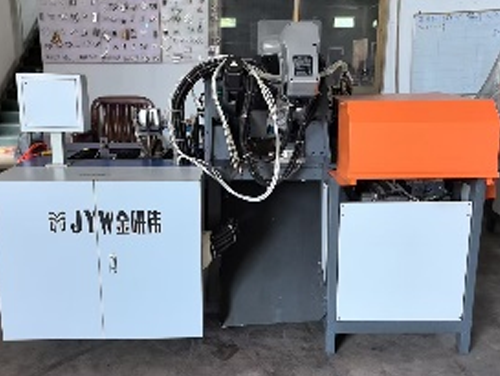
Modern Ultra-Narrow Angle Coding Machines are designed with environmental sustainability in mind.
| Feature | Environmental Benefit |
|---|---|
| Low-Energy Motors | Reduced electricity consumption |
| Automated Idle Mode | Minimizes power usage when the machine is not active |
| Minimal Material Waste | Precise cutting and coding reduce scrap |
| Noise Reduction | Quieter operation for a safer working environment |
| Recyclable Components | Parts can be recycled at end-of-life |
By integrating energy-efficient technologies and reducing material waste, these machines contribute to more sustainable manufacturing practices while lowering operational costs.
Proper installation is critical to ensure optimal performance and safety.
Site Preparation:
Ensure the floor is level and stable
Provide adequate space for operation, maintenance, and ventilation
Unpacking and Handling:
Carefully remove packaging materials
Inspect the machine for any shipping damage
Use forklifts or cranes for moving heavy components
Positioning and Leveling:
Place the machine on a vibration-free surface
Use leveling tools to ensure correct alignment
Electrical and Pneumatic Connections:
Connect to the appropriate power supply as per specifications
Verify grounding and electrical safety
If applicable, connect compressed air or hydraulic systems
Initial Testing and Calibration:
Perform a dry run without material to ensure all axes move correctly
Calibrate the coding angle and feed mechanisms
Test safety features including emergency stops and sensors
Operator Training:
Provide training for safe operation and routine maintenance
Review troubleshooting procedures and emergency protocols
Proper installation ensures that the machine operates efficiently, safely, and reliably in industrial environments.
Maximizing the performance of Ultra-Narrow Angle Coding Machines requires careful attention to operational best practices:
Always use recommended materials and cutting speeds
Avoid overloading the machine to prevent mechanical stress
Schedule regular maintenance checks for lubrication, blade inspection, and calibration
Monitor energy consumption to identify inefficiencies
Maintain a clean workspace to prevent dust or debris from interfering with coding precision
Ultra-Narrow Angle Coding Machines are versatile and widely used in industrial automation.
A factory producing ultra-narrow aluminum frames integrated CNC coding machines to:
Achieve precise corner angles
Reduce material waste by 20%
Improve assembly line speed and reliability
A sheet metal manufacturer used these machines for high-speed coding of metal panels:
Enhanced precision in labeling and marking
Reduced manual labor requirements
Increased daily production capacity by 35%
Ultra-Narrow Angle Coding Machines were applied to wood and aluminum components:
Allowed high-speed marking and cutting at narrow angles
Ensured consistent quality for mass production
Reduced human error and rework costs
Regular maintenance ensures long-term reliability and consistent performance:
Lubrication: Regularly lubricate moving parts and axes
Blade/Tool Inspection: Replace or sharpen blades when necessary
Calibration: Periodically recalibrate coding angles and feed rates
Cleaning: Remove dust and debris to prevent operational interference
Software Updates: Keep the CNC system software up-to-date
Ultra-Narrow Angle Coding Machines are vital for precision industrial automation. Their advanced features, energy efficiency, and adaptability to multiple materials make them ideal for modern manufacturing. Proper storage, installation, and maintenance are key to maximizing performance and longevity. Real-world applications demonstrate their value across aluminum window production, metal fabrication, and furniture industries. By investing in these machines, manufacturers can enhance productivity, reduce waste, and maintain high-quality standards in automated production environments.
This website uses cookies to ensure you get the best experience on our website.
 ไทย
ไทย हिन्दी
 Tiếng Việt
 বাংলা
বাংলা



 Phone:
Comment
(0)